
TL;DR: Most homeowners and condo (HO-6) policies in Hawaii cover mold remediation only when the mold grew out of a sudden, accidental water loss, like a burst supply line, that was reported and addressed quickly. Mold from a slow leak, standing humidity, or deferred maintenance is typically excluded. Even on a covered claim, standard policies usually cap mold cleanup with a sublimit of roughly $1,000 to $10,000, well below the water damage limit itself. The declarations page and endorsement language in your specific policy control, not this article.
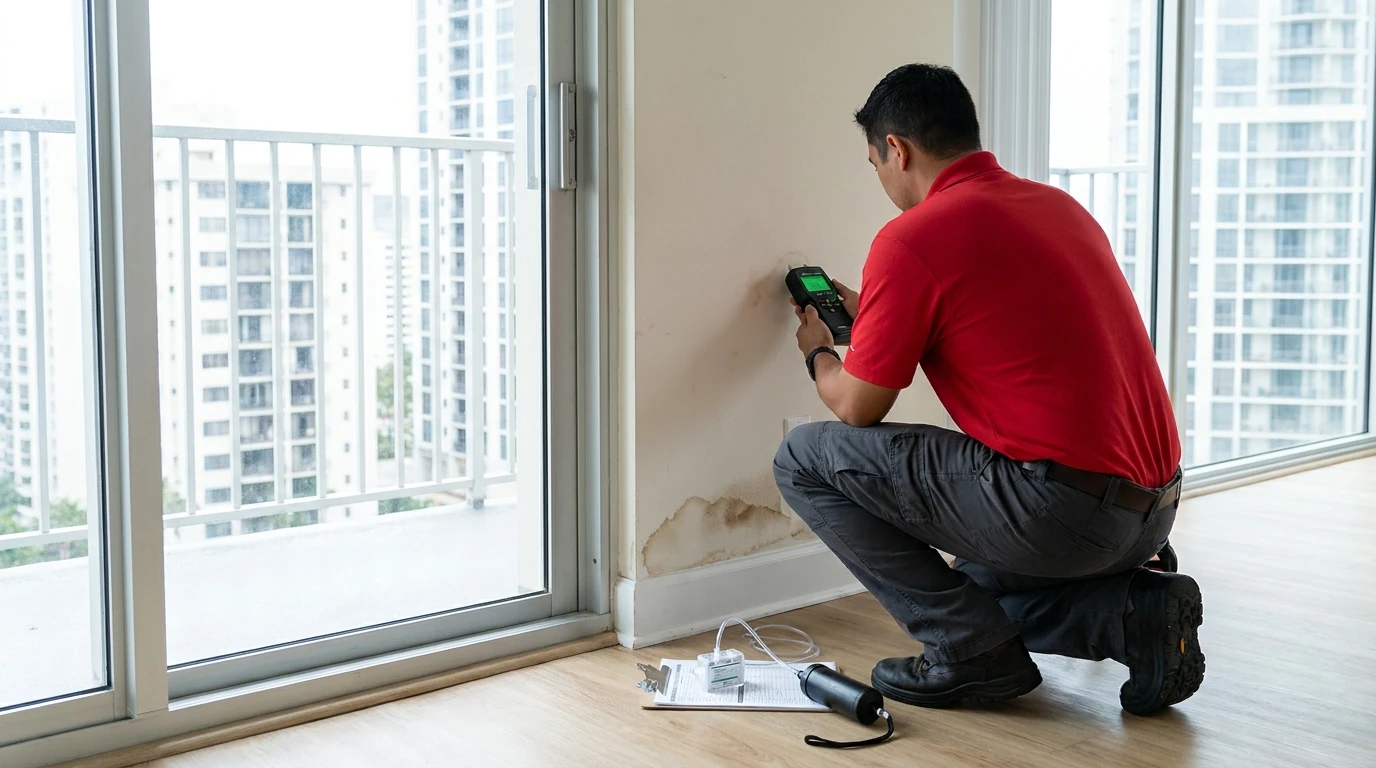
Say you fixed a leaking supply line behind the shower in a Kakaako condo six weeks ago, and now there’s a gray-green bloom creeping up the baseboard where the water sat. You call your insurer expecting the same coverage that paid for the water damage, and the adjuster starts asking questions about when the leak started and how long it ran. That’s the exact fork in the road most Oahu mold claims hit, and it’s worth understanding before you file.
Does Homeowners Insurance Cover Mold Remediation?
Homeowners insurance covers mold remediation when the mold is a direct result of a covered peril, typically sudden and accidental water discharge, and excludes it when the mold stems from ongoing moisture, humidity, or a leak the homeowner should have caught sooner. This single distinction decides more Hawaii mold claims than any other policy language.
A washing machine supply line that blows overnight and soaks a closet is the textbook covered scenario: the water loss was sudden, you reported it, and mold that grows in the days after is treated as a consequence of that covered loss. A roof that’s seeped slowly for two years, or a shower pan that’s been weeping behind the tile since the last remodel, reads as gradual deterioration, which nearly every standard HO-3 and HO-6 policy excludes outright, regardless of how the mold itself looks once it’s found.
Insurers in Hawaii scrutinize this line harder than carriers in drier states do. Our year-round humidity means visible mold can show up on wet drywall within 24 to 48 hours of almost any water event, covered or not, so an adjuster can’t use “there’s mold, therefore it must have been there a while” as a shortcut. That cuts both ways: it protects homeowners who respond fast to a sudden leak, and it puts real weight on documentation for anyone trying to prove a claim after the fact.
What’s the Difference Between ‘Sudden’ and ‘Gradual’ for a Mold Claim?
Sudden and accidental means the water loss happened at a specific, identifiable point in time and wasn’t something a reasonable homeowner should have seen coming; gradual means the moisture built up over weeks or months, often from a problem that was visible or detectable earlier. The line is drawn on when the water started, not on how bad the mold looks now.
A pipe that bursts during a cold snap, a water heater that fails overnight, a toilet supply line that lets go while you’re at work: these are sudden losses. A slow drip under a sink that’s been staining the cabinet floor for a year, condensation pooling on a single-wall wet wall because of a chronically clogged AC drain line, or a roof flashing leak the homeowner noticed and didn’t fix: these tend to get coded as gradual and maintenance-related, which most policies exclude.
The practical test adjusters apply is simple: could this loss have been discovered and stopped sooner with reasonable upkeep? If the honest answer is yes, expect pushback on the mold portion of the claim even if the original water event gets paid. This is also why prompt response matters so much here: letting water sit for days, even after a sudden loss, can shift an adjuster’s read of the claim from “covered sudden event” toward “preventable secondary damage.”
What Is a Mold Coverage Sublimit, and How Much Will It Pay?
A mold sublimit is a separate, lower cap your policy places on mold-related costs, inside your broader coverage, even when the underlying water damage is fully covered. On most standard Hawaii homeowners and condo policies, that sublimit runs somewhere between roughly $1,000 and $10,000, regardless of your home’s overall coverage limit.
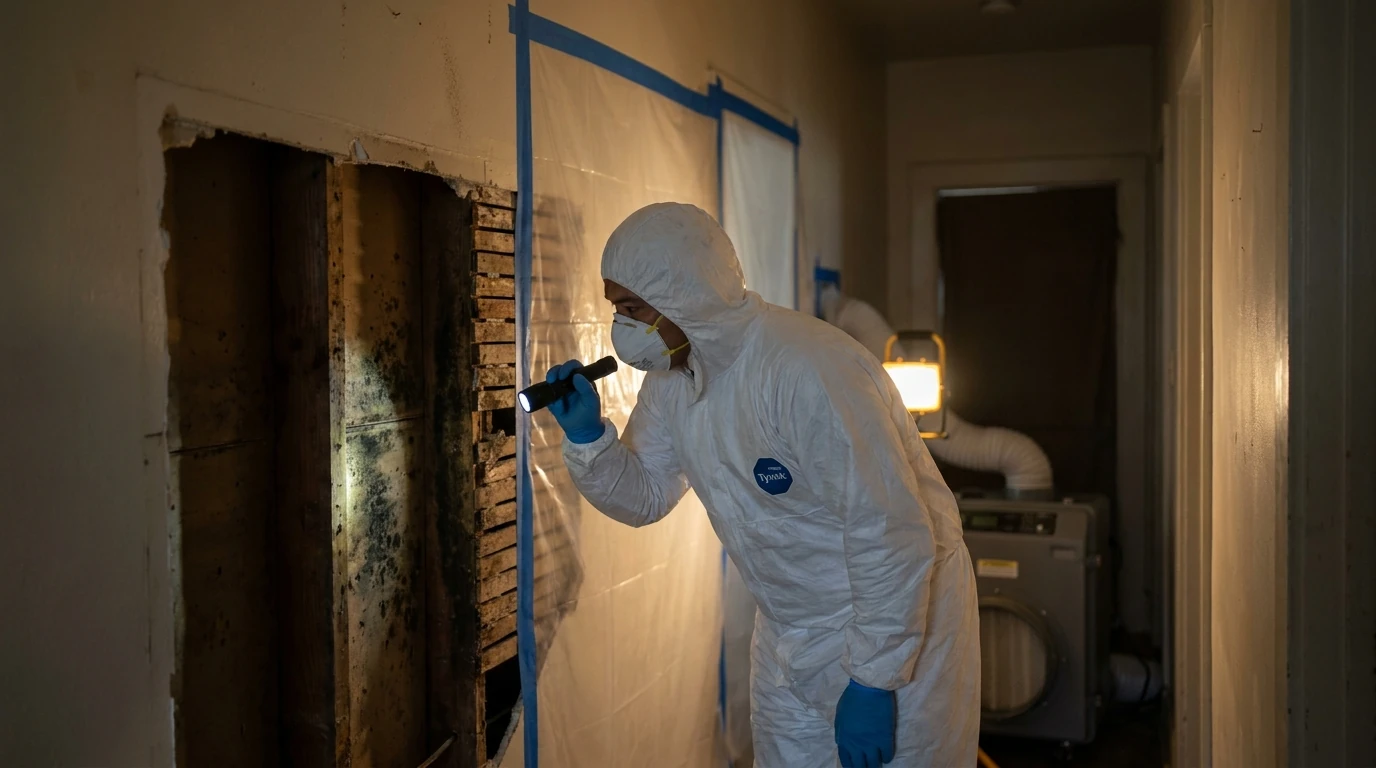
That number matters because remediation and testing costs can outrun it fast on a real job, especially once a remediator opens a wall cavity in older single-wall construction common in Makiki, Kaimuki, and Aina Haina and finds the growth extends further than the surface damage suggested. If your sublimit is $5,000 and the containment, HEPA air scrubbing, and antimicrobial treatment come to $9,000, the gap is yours to cover unless you’ve purchased a mold endorsement that raises the limit.
Some carriers sell a mold coverage rider or endorsement that increases this sublimit, sometimes significantly, for an added premium. If you’ve been burned by a tight sublimit before, or you own a condo in an older high-rise with known plumbing-riser issues, ask your agent directly whether a higher mold endorsement is available and what it costs. It’s a conversation worth having before a claim, not during one.
Does HO-6 Condo Insurance Cover Mold in a Honolulu High-Rise?
HO-6 condo insurance can cover mold inside your unit under the same sudden-versus-gradual rule as a house policy, but it only applies to what the HO-6 policy insures: your unit’s interior finishes, personal property, and improvements, not the building’s shared risers or structure. That split matters enormously in Waikiki, Kakaako, and Ala Moana towers, where a failed vertical riser on an upper floor commonly soaks two or three units below it.
In that scenario, the building’s master policy, carried by the AOAO, typically handles the structural and common-element damage, while your individual HO-6 policy is what pays (subject to your own mold sublimit) for the mold remediation and finish repairs inside your specific unit. Getting both carriers coordinated, and getting the AOAO’s engineer and your own adjuster looking at the same moisture-mapping data, is often the single biggest friction point in a high-rise mold claim. It’s also exactly where a documented, third-party drying and remediation record earns its keep.
If you’re dealing with a multi-unit loss like this, our guide on does homeowners insurance cover water damage walks through how the water-damage side of that same claim typically gets split between a master policy and an HO-6 before mold even enters the picture.
What Documentation Does an Adjuster Want for a Mold Claim?
An adjuster wants proof of when the water event happened, how fast it was addressed, and how far the moisture and growth actually spread, all tied together with dates. Without that timeline, even a genuinely sudden loss can get re-characterized as a slow, pre-existing problem.
The file that holds up best usually includes:
- The date and cause of the original water event, with a repair receipt or plumber invoice if one exists
- Time-stamped photos from the day the leak was found, before any drying or demolition started
- A moisture map or psychrometric readings showing which materials were wet and how deep the moisture traveled
- Lab results if air or surface samples were taken, tied to a specific sampling date
- A written scope of work describing what was removed, treated, and replaced, and why
This is the exact documentation style our crews build on every mold remediation job: moisture readings logged at intake and at clearance, containment and HEPA filtration documented with photos, and a scope that ties the remediation directly back to the triggering water event. That paper trail is what turns a contested claim into an approved one. If you’ve already found growth and aren’t sure whether it stems from a sudden event or something that’s been building for a while, mold inspection and testing is the step that establishes that record before remediation work starts.
Nothing in this article is legal or insurance advice. Your specific policy’s declarations page, endorsements, and exclusions control what’s covered, and carriers differ. Read your actual mold endorsement (or call your agent and ask them to walk you through it line by line) before you assume either way.
If you’ve got active mold growth in Honolulu, Hawaii Kai, Kaimuki, or anywhere else on Oahu and need it documented correctly for a claim, call AAA Water Damage Restoration & Carpet Care at (808) 349-3407 to schedule an assessment before remediation work begins.
About AAA Water Damage Restoration & Carpet Care
AAA Water Damage Restoration & Carpet Care has served Honolulu and Oahu for over 25 years, handling water damage restoration, flood damage, burst pipes, sewage cleanup, mold remediation, mold inspection and testing, and carpet and upholstery cleaning across the island. The company answers calls 24/7 and documents every mitigation and remediation job to the standard insurers expect for a claim file.